TANGERINE GELO: A SICILIAN INNUENDO
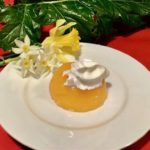
Tangerine gelo. The mere mention of this dessert evokes a sensation of freshness, citrus scents, and summer nights. Tangerine gelo is a typical recipe of the Sicilian tradition. Whereas its origin has been lost over time it likely has its roots in the Arab-Norman domination, so rich in creativity, pervaded by the scent of oriental spices and citrus fruits. Before the advent of corn starch carob flour was used as a thickening agent.
This tangerine gelo is a very simple and light dessert that uses fresh fruit, offering you the opportunity to create a dessert that is fresh, seasonal, vegan and perfect for avoiding all kinds of food allergies and intolerances. The use of corn starch adds thickness to the gelatine since traditional gelatines do not work with acidic ingredients. Moreover, not only do you avoid using ingredients of animal origin, but you also enjoy the freshness of tangerines. The same basic recipe can easily be turned into other gelatines with other seasonal fresh fruits, like watermelon and melon in summer, or even with cinnamon.
The tangerine is quite sweet, but the addition of lemon adds an acidic note that is offset by the piped decoration. If you are lactose intolerant, substitute the whipping cream with the lactose free variety, or with sugar pearls if you are vegan.
Prep Time: 10 minutes | Freezing Time: 4 hours | Total Time: 4 hours and 20 minutes | Yield: Makes 2 servings.
Ingredients
For the gelatine
- 45 g (⅓ cup) corn starch
- 1 kg (2.2 lbs) tangerines, juiced and filtered
- 1 lemon, juiced and filtered
- 55 g (¼ cup) white sugar
For decorating
- 125 ml (½ cup) fresh whipping cream
- 20 g (3½ tbsp) powdered sugar, sifted
Instructions
Pour all the ingredients except the corn starch in a saucepan and put it on the stove. Simmer over low heat for 3-4 minutes, until the sugar has completely dissolved. Add the corn starch, sifting it directly into the saucepan and mix thoroughly.
Pour into glass bowls and let them set in the fridge for at least 4 hours.
For the decoration, chill a medium mixing bowl and whisk in the freezer for 10 minutes before beginning. In the chilled bowl, whisk the whipping cream until it begins to foam and thicken. Add the powdered sugar and continue to whisk until soft peaks form. Do not over-whip. Pour into a pastry bag and decorate the top of the gelatine.