🍝 The Italian Pasta Map: Flour, Eggs, and the Secrets of Tradition
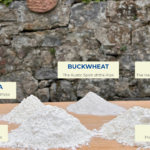
In Italy, pasta is much more than a dish; it’s a geographical and climatic map. If you travel from the snow-capped Alps of the North to the sun-drenched coasts of the South, you will discover that the “perfect dough” changes its soul according to the land it belongs to.
The Great Divide: Soft Wheat vs. Durum Wheat
The traditional distinction in Italian pasta-making is rooted in agriculture and climate:
- The North (Soft Wheat & Eggs): In the humid plains of Northern Italy (like Emilia-Romagna), Grano Tenero(soft wheat) is the protagonist. For fresh pasta, we use Type 0 flour—it has the perfect balance of strength and elasticity to create a “Sfoglia” that is silky yet resilient. To give it richness, we add fresh eggs. This creates a porous, golden pasta, perfect for capturing rich meat sauces like Ragù.
- The South (Durum Wheat & Water): In the hot, dry South (Puglia, Sicily, Campania), the king is Grano Duro(durum wheat). From this, we get Semola (semolina), which is coarser and amber-colored. Here, eggs were historically a luxury; semolina creates a strong, “al dente” dough with just water. Think of Orecchiette or Scialatielli: firm, textured, and smelling of sun-ripened grain.
Regional Exceptions: Buckwheat and Manitoba
Italy loves to break its own rules. In the Valtellina valley (Lombardy), the harsh climate led to the use of Buckwheat(Grano Saraceno). This “pseudo-cereal” gives life to Pizzoccheri: a dark, earthy, and rustic pasta that tells a story of mountain resilience.
And then there is Manitoba. While rarely used for pasta, this high-protein “strong” flour is essential in an Italian pantry for long-leavened doughs like bread or pizza, providing the structure needed for a slow, natural rise. Remember: Manitoba is for your weekend baking projects, not for your pasta board!
My Kitchen Evolution: From the “5kg Bag” to Precision
There is a secret about Italian homes: for decades, our approach to flour was much simpler. In my family, where we made endless cakes and pasta, we didn’t have ten different bags. We bought the classic 5kg bag of “00” flour and used it for everything.
Today, my awareness has changed. My pantry is now a collection of “specialists”:
- Type 0: My go-to for fresh pasta, providing the right “bite.”
- Type 00: Reserved strictly for delicate pastries and cakes.
- Semola Rimacinata: For southern-style pasta or to add crunch to bread.
- Manitoba: For bread and pizza (long leavening).
- Buckwheat: For those rustic, traditional mountain recipes.
This modern obsession with flour types isn’t just a trend; it’s a return to respecting the ingredient. Choosing the right flour is the first step in honoring the heritage of the dish you are about to create.
Now that you’ve discovered the secrets of the Italian Pasta Map, why not put your knowledge to the test? Try making my Tagliatelle inspired by Lucrezia Borgia and see how the right flour transforms your dough!